What Will You See at Stonehenge?
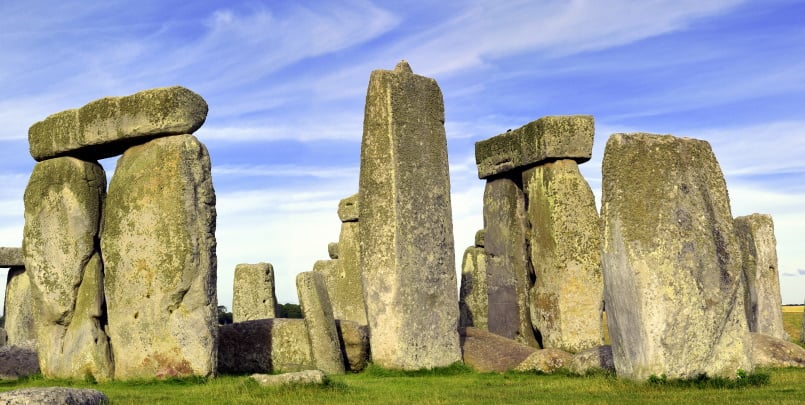
Stonehenge is one of the most famous prehistoric monuments in the world. Located on the wide open landscape of Salisbury Plain in southern England, the site attracts visitors from around the globe who come to see its mysterious stone circle.
While the monument itself is the main attraction, a visit to Stonehenge includes much more than just the stones. The site also features a modern visitor centre, reconstructed Neolithic houses, and an extraordinary prehistoric landscape that surrounds the monument.
If you are planning a visit, you can compare available options here:
Stonehenge tours from London
Below are the main things you will see during a visit.
The Stone Circle
The most famous feature of the site is the Stonehenge stone circle itself.
The monument consists of massive standing stones arranged in a circular formation. The outer ring is made from huge sandstone blocks known as sarsens, some weighing around 25 tons.
Inside this outer ring are smaller stones known as bluestones, which were transported from Wales over 150 miles away.
Visitors walk around the monument on a pathway that circles the stones, allowing excellent views from every angle. The setting on the open Salisbury Plain makes the monument particularly dramatic.
During normal opening hours, visitors view the stones from a short distance behind a rope barrier.
However, special visits sometimes allow access inside the circle. You can read more about this here:
How to see Stonehenge Inner Circle
The Heel Stone
Just outside the main stone circle stands a large solitary stone known as the Heel Stone.
This stone plays an important role in the monument’s alignment with the sun.
During the summer solstice, the sunrise aligns directly with the Heel Stone when viewed from the centre of the stone circle. This alignment suggests the monument may have had astronomical significance.
The Avenue
Stonehenge is connected to the wider landscape by an ancient ceremonial pathway known as The Avenue.
This pathway runs from the monument toward the River Avon and may have been used during ritual processions thousands of years ago.
Walking through this landscape helps visitors understand that Stonehenge was not just a single monument but part of a much larger ceremonial area.
The Visitor Centre
Before reaching the stones, visitors pass through the Stonehenge Visitor Centre, which provides important background information about the site.
Inside the centre you will find:
• archaeological discoveries from the site
• interactive displays explaining how Stonehenge was built
• exhibits about the people who lived in the area thousands of years ago
• a café and gift shop
These exhibits help explain the monument’s history and the theories about why it was constructed.
You can read more about the monument’s origins here:
Why was Stonehenge built
The Neolithic Houses
Outside the visitor centre you will see reconstructed Neolithic houses.
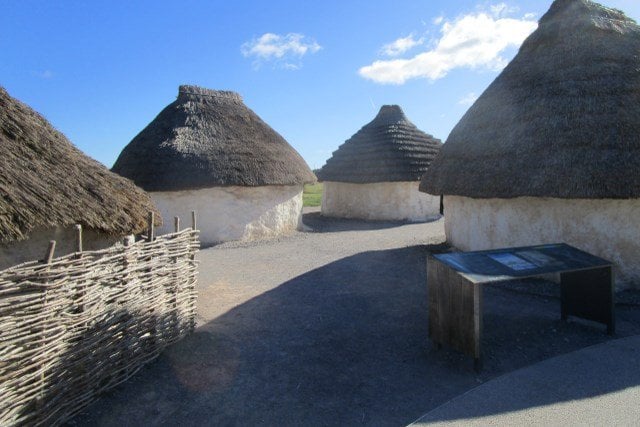
The reconstructed Neolithic village at Stonehenge
These buildings show how people may have lived around 4,500–5,000 years ago when Stonehenge was being built.
Inside the houses, guides often demonstrate ancient techniques used to create tools, pottery, and clothing during the Neolithic period.
The Surrounding Prehistoric Landscape
Stonehenge sits within one of the most important prehistoric landscapes in Europe.
The surrounding area contains hundreds of ancient monuments, including:
• burial mounds
• ceremonial earthworks
• ancient settlements
• prehistoric processional routes
This wider landscape is why the area was designated a UNESCO World Heritage Site.
You can learn more about the age of the monument here:
How old is Stonehenge
How Long Do Visitors Spend at Stonehenge?
Most visitors spend around 1.5 to 2 hours exploring the site.
This typically includes time to:
• walk around the stone circle
• visit the exhibition in the visitor centre
• explore the Neolithic houses
• enjoy the surrounding landscape
If you’re planning your visit, you may find this guide helpful:
How long do you need at Stonehenge
Planning a Visit to Stonehenge
Stonehenge is located about 90 miles west of London, and many visitors travel there on a guided day trip.
These tours often combine Stonehenge with other famous destinations such as Bath, Windsor Castle, or Oxford, making it possible to see several historic sites in one day.